
The Ultimate Guide to Breathwork in Asheville (2026)
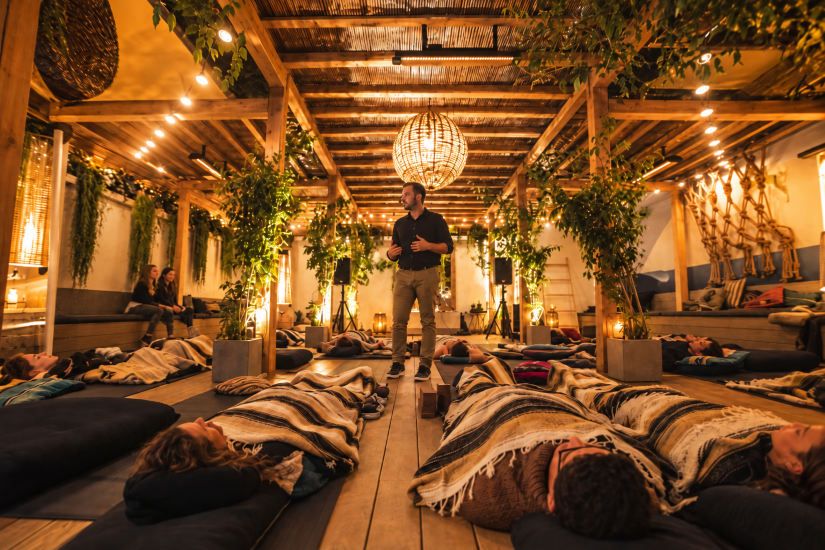
By Travis Richardson · Asheville, NC · Last Updated: October 30, 2026
Where to find breathwork in Asheville, what each method actually feels like, and how to pick a facilitator you trust.
Breathwork in Asheville has grown up. Downtown now has a twice-a-month conscious connected class. Fairview has full-day holotropic workshops, and up near Marshall a couple runs sessions out of their forest retreat home. Below you'll find who's teaching and how the main methods differ, what the research actually says, plus five exercises to try tonight before you book anything.
Jump to a Section
Why I Put Breathwork at the Center of Any Wellness Program
My history with breath goes back further than Be Well Asheville. In 1999, my son was three and diagnosed with asthma, allergies and eczema, that whole inflammatory pattern. I started digging for anything that might help him, and I kept landing on breathing. That search led us to the Buteyko method, and it became his practice for life. He's 30 now. He gave Wim Hof a try for a stretch, decided it was way too aggressive for his system, and went back. Buteyko is the one that stuck.
I came at it from the athlete's side too. I was a six-time junior martial arts champion and trained full time at the Olympic Training Center at 19. Breath control felt natural to me. It was a performance tool. Then I went to Costa Rica.
It was a retreat, and I thought of the breathwork session as one small piece of a full week. I lay down on a mat with the jungle loud outside, started the connected breathing, and figured I'd feel relaxed. Within twenty minutes, images started surfacing that I hadn't thought about in years. Scenes from childhood. Conversations I never finished. Moments I would have told you I was completely over.
Some of it was beautiful. Some of it was flat-out uncomfortable, and more than once I wanted to stop. I cried, hard, on a floor full of strangers. But the facilitator kept me breathing, and the images kept coming, each one seeming to hand me something I'd been carrying so I could finally set it down.
It felt like five therapy sessions packed into one afternoon. And when it ended, what came in was a deep, quiet peace I hadn't felt in a very long time. Release. That's the only word for it.
That afternoon changed how I think about wellness. Breathwork is a key ingredient in any wellness program, because it reaches the stuff we store in the body that talking alone doesn't always touch. It's free and it goes everywhere with you. And when you want guidance, breathwork in Asheville has some excellent teachers.
What Is Breathwork?
Breathwork is any intentional breathing practice designed to shift how you feel, physically or emotionally. Everyday breathing runs on autopilot. Breathwork changes the rhythm, depth or pattern on purpose, which in turn influences your nervous system and your emotional state. Sessions range from a two-minute exercise at your desk to a three-hour guided journey on a mat.
Most people assume it's all about technique. Jason Amoroso sees it differently after a decade of facilitating.
"One of the biggest misconceptions I see is that breathwork is primarily about physiology or technique. Those things matter, of course, but after more than ten years doing this work, my experience is that intention and willingness matter even more."
— Jason Amoroso, J.D., M.A., Revelation Breathwork
Where Breathwork Comes From
Conscious breathing practices go back thousands of years. In India, pranayama emerged within the Vedic and yogic traditions as a way of working with prana, or life force. Yogis developed dozens of breathing techniques over the centuries, and that lineage still runs through the pranayama you'll find in Asheville yoga studios today. The modern Western methods, from rebirthing to holotropic, arrived from the late 1960s on and borrowed heavily from those older roots.
Benefits of Breathwork
Slow, controlled breathing shifts the nervous system toward rest. It engages the vagus nerve and nudges the body out of fight-or-flight. People commonly report better sleep, a calmer baseline, sharper focus and more ease in their bodies. On the emotional side, the more active styles create room to feel and release what the body has been holding. That's exactly what happened to me in Costa Rica. That said, breathwork supports care rather than replacing it, so keep your doctor or therapist in the loop.
Types of Breathwork You'll Find in Asheville
The methods feel nothing alike. Here's a quick map so you know what you're signing up for.
Conscious Connected Breathing
You breathe continuously, with no pause between inhale and exhale, usually lying down with music. It's the style you'll meet in most group classes, and the one behind a lot of emotional-release stories. Mine included. Revelation Breathwork pairs it with music, guidance and a short teaching at the start of each class.
Rebirthing Breathwork
Leonard Orr developed rebirthing in the late 1960s. It combines connected breathing with affirmations and intention, and practitioners often use it to work through early-life experiences and long-held patterns.
Holotropic Breathwork
Stanislav and Christina Grof developed this method in the mid-1970s. It uses accelerated breathing and evocative music, usually in long sessions where participants pair up as "breather" and "sitter." The goal is deep self-exploration in a non-ordinary state. Expect a half day or longer, not an hour.
Wim Hof Method
Cycles of deep breathing followed by breath holds, paired with cold exposure and mindset training. It's energizing and intense, and it's the most studied method on this list. More on that research below.
Pranayama
Yogic techniques such as alternate nostril breathing and breath retention. A 2020 systematic review linked pranayama to lower blood pressure and heart rate, and it's the gentlest entry point here.
Transformational Breath
Dr. Judith Kravitz's method blends connected breathing with sound, movement, affirmations and hands-on facilitation. Its own site describes working on physical, emotional and spiritual levels.
Shamanic Breathwork
Rhythmic breathing set to drumming, chanting and ceremonial elements. It leans spiritual, and sessions often feel like a guided journey.
Buteyko Breathing
Dr. Konstantin Buteyko's method runs the opposite direction from most styles: gentle nasal breathing, less air, and short holds to raise CO₂ tolerance. A 2024 randomized trial found it eased asthma symptoms and cut inhaler use, and it's the method my son has practiced for more than 25 years.
What the Research Shows: The Radboud Wim Hof Study
One of the most cited breathwork studies anywhere came out of Radboud University in the Netherlands. In 2014, researchers published results in PNAS from a trial where volunteers received bacterial endotoxin. That's dead bacterial cell-wall material, and it triggers a short, flu-like immune response.
- The setup: 24 healthy men. Twelve trained for 10 days in the Wim Hof Method's breathing, cold exposure and meditation; twelve did not.
- What happened: the trained group showed sharp spikes in adrenaline during their breathing, higher levels of anti-inflammatory signaling, lower levels of inflammatory proteins and milder flu-like symptoms.
- Why it mattered: it challenged the long-held view that people can't voluntarily influence the autonomic nervous system and immune response.
Worth knowing: this was not about fighting a live infection. It was about calming an overactive inflammatory response, and a 2022 pilot study found that adding cold training strengthened the breathing exercise's effect. If you want to try that combination locally, our Cold Plunge Guide and Sauna Guide list the best spots in town. Breathe to prepare, plunge, then use slow belly breaths to settle afterward.
5 Beginner Breathwork Exercises to Try at Home
You don't need a class to start. Try these sitting up, somewhere quiet, for five to ten minutes. Stop if you feel dizzy.
Box Breathing
Inhale for four counts, hold for four, exhale for four, hold empty for four. Repeat. It's simple enough to use before a hard conversation. One small study tracked better lung function after 30 days of box breathing, and its authors suggest it may ease stress too.
Diaphragmatic Breathing
Put one hand on your chest and one on your belly. Breathe so only the bottom hand rises. Banner Health notes it may lower heart rate and blood pressure and support digestion.
Extended Exhale
Breathe in naturally, then exhale for twice as long. In a small study, that longer out-breath measurably activated the parasympathetic system, which is why it works so well at bedtime.
4-7-8 Breathing
Inhale for four, hold for seven, exhale for eight. Four rounds is plenty at first. Many people use it to fall asleep faster.
The Control Pause (Buteyko)
After a normal exhale, pinch your nose and time how long you can comfortably wait before the first urge to breathe. Don't push it. Track the number over a few weeks and watch it climb as your breathing gets lighter. The video below walks you through it.
Featured Breathwork Practice in Asheville
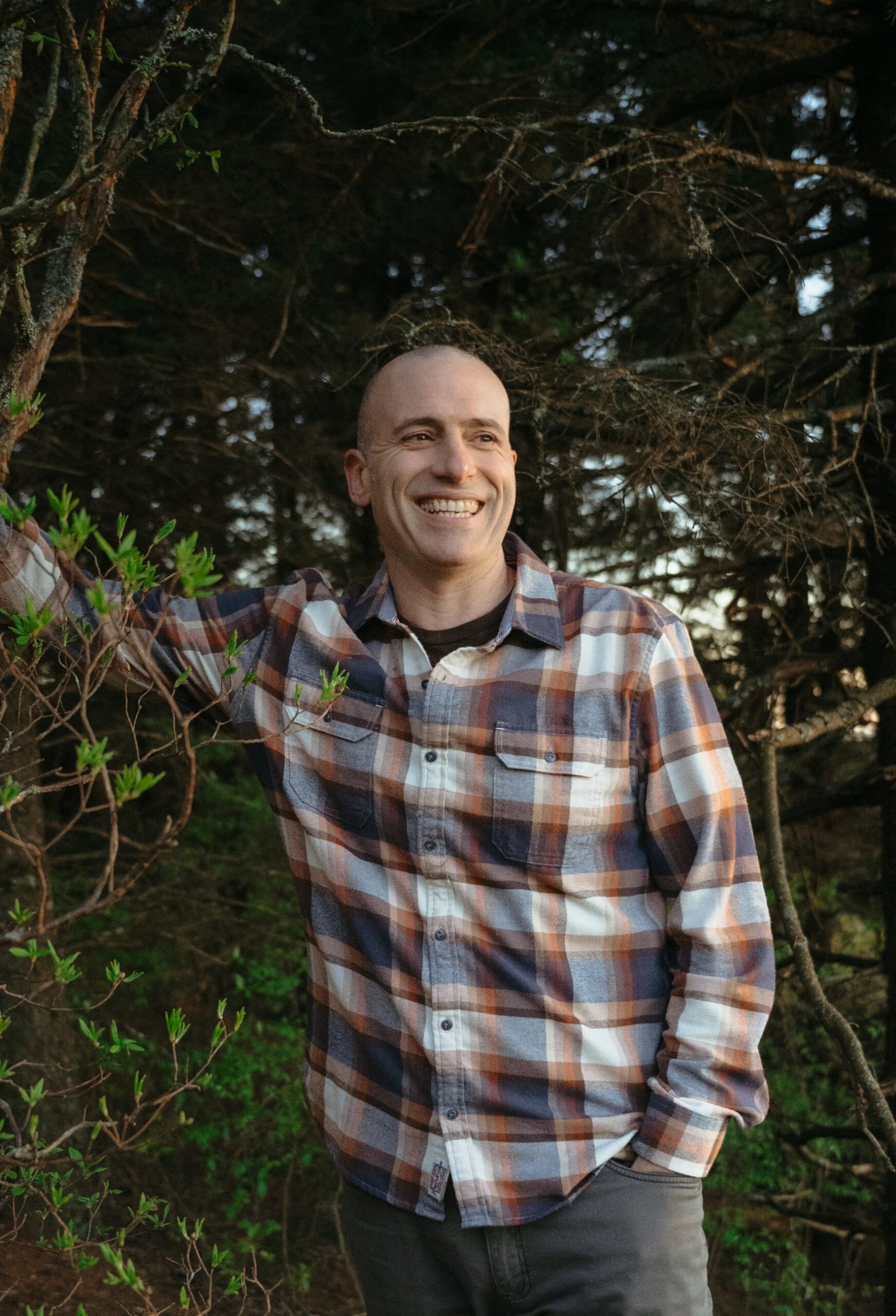
Revelation Breathwork is this guide's featured practice. Jason Amoroso spent most of the last decade leading the method online, and this fall he brought it into a room in downtown Asheville.
Revelation Breathwork
Jason Amoroso, J.D., M.A., co-founded Revelation Breathwork with Dr. Maura Moynihan. The practice describes itself as heart-centered, built on conscious connected breathing, music, guidance and principles of Spiritual Psychology. Each Asheville class follows three beats: a short teaching tied to one chakra and the human experience it represents, a personal inquiry prompt, and then the breathwork itself. No experience is necessary.
Classes currently run twice a month on Monday evenings at Asia House, on the second floor through the side entrance. Beyond the room, Revelation offers private 1:1 sessions, workshops, retreats, an online studio membership and trauma-informed facilitator training.
What stood out to me in talking with Jason is how little he promises. He isn't trying to make you feel good, and he isn't trying to fix you. In his words, "I'm not in the saving business. I'm in the sharing business." He wants you to meet whatever shows up, and for a lot of people that's exactly where the work begins.
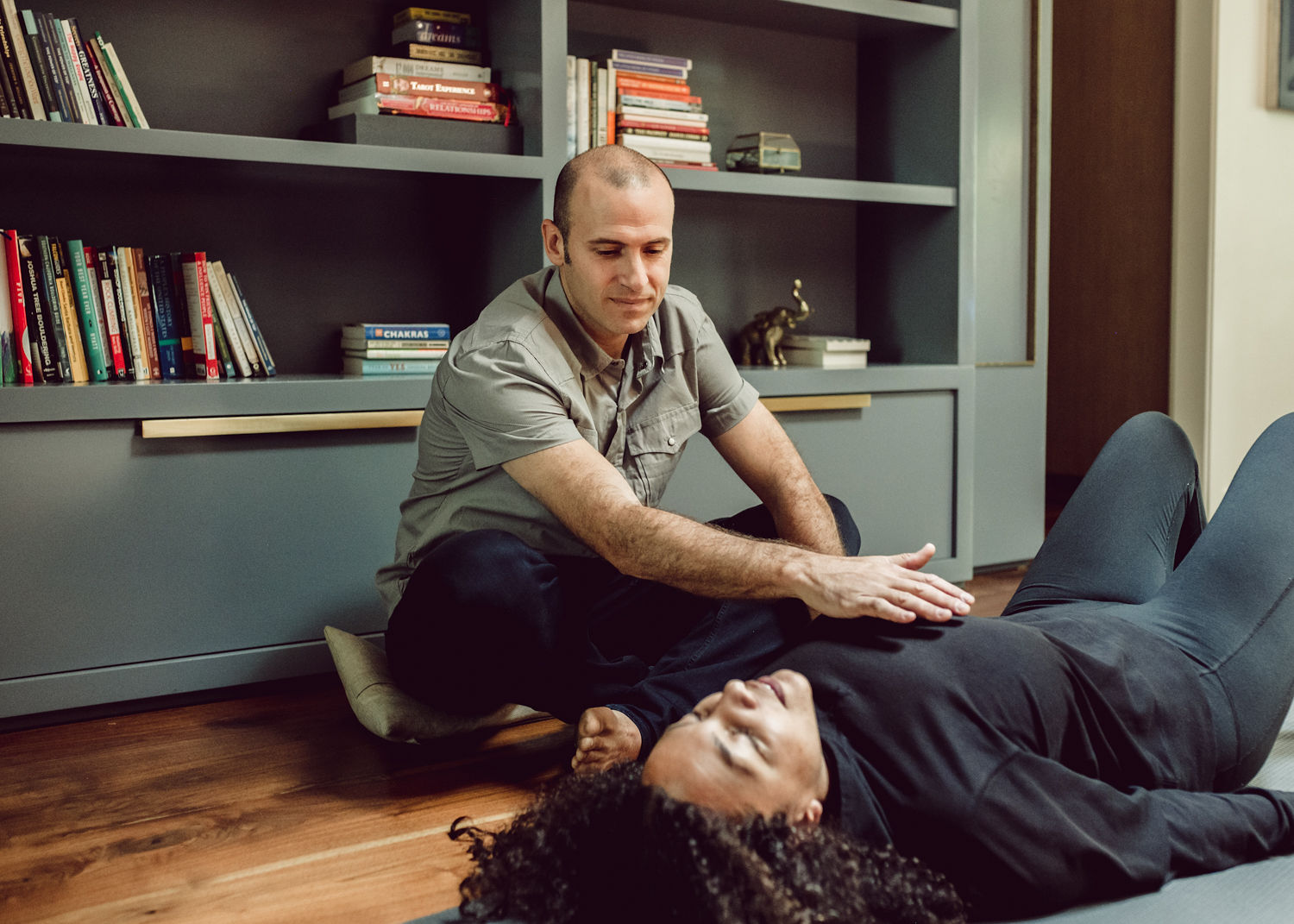
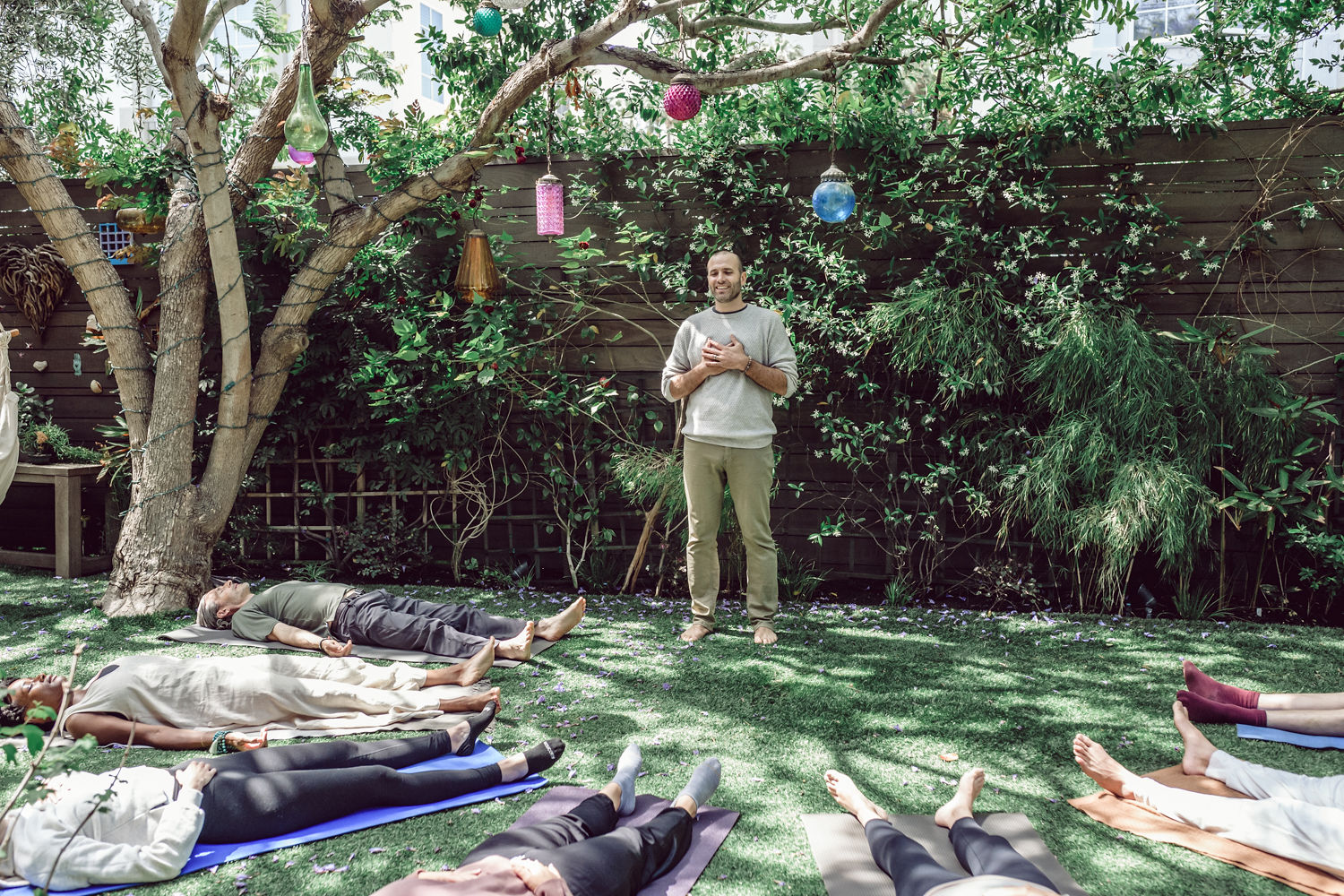
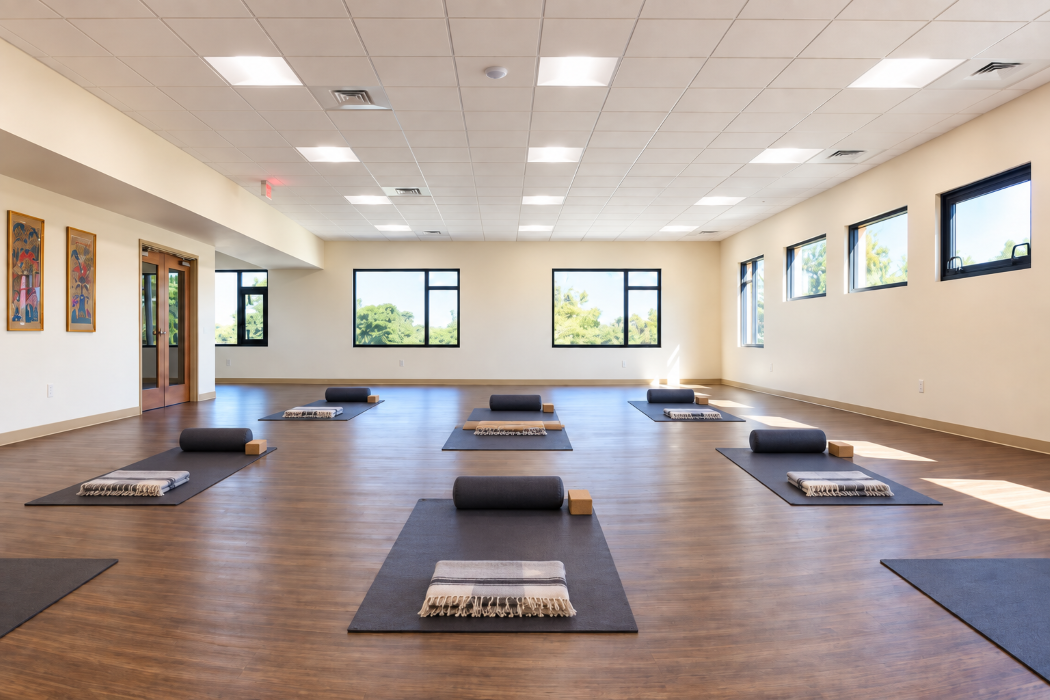
"Success, to me, looks like becoming increasingly able to meet yourself and your life exactly where you are. Sometimes that shift happens profoundly in one session. And then we get a lifetime to practice it."
— Jason Amoroso, Revelation Breathwork
Revelation Breathwork, Asia House, 119 Coxe Ave (2nd floor, side entrance), Asheville, NC

Breathwork Workshops & Facilitators in Asheville
Beyond the featured practice, these are the Asheville-area facilitators we confirmed are offering breath-led work right now. Start here if you want a longer, deeper session. And if you're drawn to body-based healing more broadly, our Somatic Therapy Guide is a natural next read.
Ted Riskin, LCSW
Ted has led breathwork workshops since 1997 and certified in Holotropic Breathwork through the Grof program in 1998. Expect full-day holotropic workshops, private sessions and his shorter Focus Breathwork in Fairview. He also co-organizes the Asheville Area Breathwork Meetup.
Ted Riskin, LCSW, 81 Log Gap Rd, Fairview, NC 28730
Breakthrough Breathwork
Kris and Savanna Cassidy host breathwork meditation workshops at their retreat home in the forest near Marshall. Kris trained with rebirthing founder Leonard Orr. They also offer private sessions, practitioner training and private retreats.
Breakthrough Breathwork, Marshall, NC (north of Asheville)
Breath-Centered Movement, Online & Retreat Options
Not every breath practice happens on a mat in a dark room. These options suit people who want to move, practice from home or fold breath into a retreat.
Blue River Breathwork
Husband-and-wife facilitators Alex Lee Schwartz and Deagan Maki run The Breath Guide, an online home for weekly live classes, an audio library, courses and Breath Camp immersions. Good pick if you want steady practice between in-person sessions.
Blue River Breathwork, Western North Carolina (online)
Dragon Phoenix Tai Chi
Breathwork doesn't have to mean lying still. Dragon Phoenix's Qigong and Balance classes combine slow movement, posture and deep breathing, a grounded option for anyone who'd rather breathe on their feet.
Dragon Phoenix Tai Chi, 51 N Merrimon Ave, Suite 109, Asheville, NC 28804
Inner Wolf Retreat Space
Dawn Sagonias uses gentle movement, breath and sound as tools for healing at her mountain retreat near Wolf Laurel. Expect sound healing, meditation and small-group retreats rather than intense breath sessions.
Dawn is a member of the Be Well Asheville Collective, and you can hear her story on our podcast.
Inner Wolf Retreat Space, Wolf Laurel area, about 35 minutes north of Asheville
How to Choose a Breathwork Facilitator in Asheville
Credentials matter. Training, trauma-informed education and a working knowledge of breath physiology should be on the table. But fit matters just as much. The more active styles can bring up a lot, so you want to feel safe with the person holding the room.
"I'm cautious around facilitators who tell people what their experience means, make big promises, push people beyond their boundaries, or position themselves as the person who is going to heal or fix you."
— Jason Amoroso, Revelation Breathwork
Jason has also written about the ethics behind this work, including informed consent, boundaries and what a facilitator owes the people in the room. Read Why a Breathwork Facilitator Code of Ethics Matters.
A few practical questions to ask before you book:
- What style do you teach, and how intense is a typical session?
- How do you screen people with health conditions?
- What happens if someone gets overwhelmed mid-session?
- Is there time to talk and integrate afterward?
Then trust your gut after the first class. If you leave feeling respected and with room for your own experience, you've probably found your person.
Frequently Asked Questions About Breathwork in Asheville
Where can I find breathwork classes in Asheville?
Revelation Breathwork leads in-person conscious connected classes at Asia House downtown, currently twice a month on Monday evenings. For longer sessions, Ted Riskin runs holotropic and Focus Breathwork workshops in Fairview, and Breakthrough Breathwork hosts workshops near Marshall. Check each facilitator's site for current dates.
What does a breathwork session feel like?
It depends on the style. Gentle methods like pranayama or Buteyko feel calming. Active styles like conscious connected or holotropic breathwork can bring tingling, waves of emotion, memories or a deep sense of peace. Many people feel lighter and more settled afterward.
Is breathwork safe for beginners?
Most people can start with simple exercises like box breathing or an extended exhale on their own. Intense methods are a different story, so check with your doctor first if you're pregnant or have heart, lung, seizure or psychiatric conditions. Then work with an experienced facilitator for your first active session.
What's the difference between holotropic and conscious connected breathwork?
Both use continuous breathing, but holotropic sessions run longer, use faster breathing and pair participants as breather and sitter. Conscious connected classes are usually shorter, guided group sessions with music. Holotropic is more of a half-day commitment, while a connected-breath class fits into an evening.
How often should I do breathwork?
A few minutes of a simple exercise every day builds the habit and steadies your nervous system. Active, emotional sessions work well a few times a month, with time to rest and integrate in between. As Jason Amoroso puts it, "Your daily life is your ashram," so the real practice happens between sessions too.
This article is for informational purposes only. It is not, nor is it intended to be, a substitute for professional medical advice or treatment for specific medical conditions. You should not use this information to diagnose or treat a health problem without consulting a qualified healthcare provider. This article may be community-supported. Learn how to get your wellness business featured here.

A Beginner's Guide to Plant Medicine Transformation in Asheville
October 2, 2025 at 11:54 am[…] Practices – Gentle movement, breathwork, or yoga to embody new […]
15 Rainy Day Wellness Activity Ideas in Asheville
October 5, 2025 at 11:39 am[…] Breathwork In Asheville […]
The Benefits of Group Exercise | Find Your Workout buddy
October 5, 2025 at 12:09 pm[…] Breathwork In Asheville […]
20+ Asheville Halloween Wellness Events 2025
October 27, 2025 at 1:10 am[…] Breathwork In Asheville […]